


Environment
A Baby Boomer and a Gen Zer Walk Into a Climate Action Meeting
A year of working together in a cross-generational group has taught us how to bridge our divides—and leverage each other’s strengths in the climate fight.
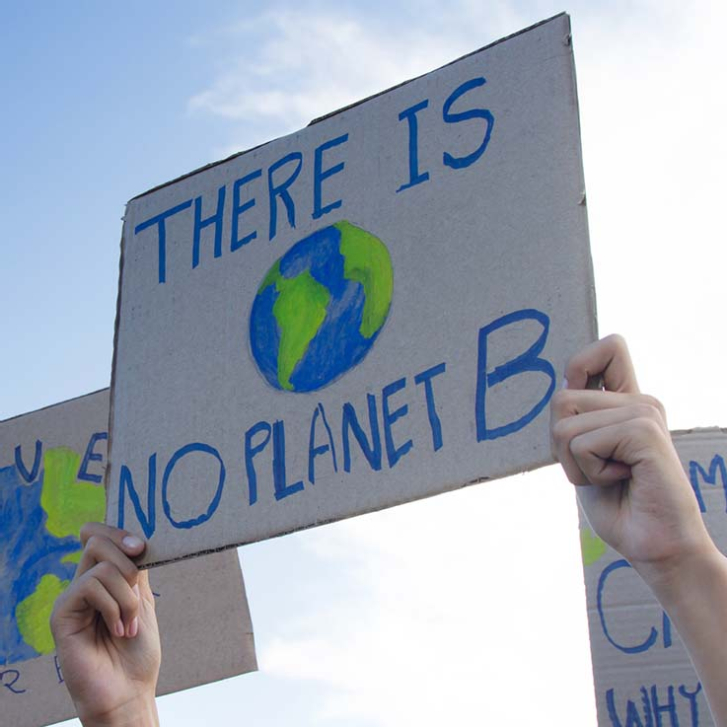
A year of working together in a cross-generational group has taught us how to bridge our divides—and leverage each other’s strengths in the climate fight.
An excerpt from Settling Climate Accounts on the emerging practice of Net Zero finance.

People with disabilities are on the front lines of the climate crisis. Efforts to address the crisis must include them.
Authors Michael Lenox and Rebecca Duff call for disruptive innovations and radical reconfiguration of industries to decarbonize the planet by 2050.

Businesses have played a significant role in degrading the social, economic, ecological, and governance commons, but they can play an equal role in restoring them through the development of seven regenerative qualities.
An excerpt from The Business of Less: The Role of Companies and Households on a Planet in Peril on how to fix corporate sustainability.
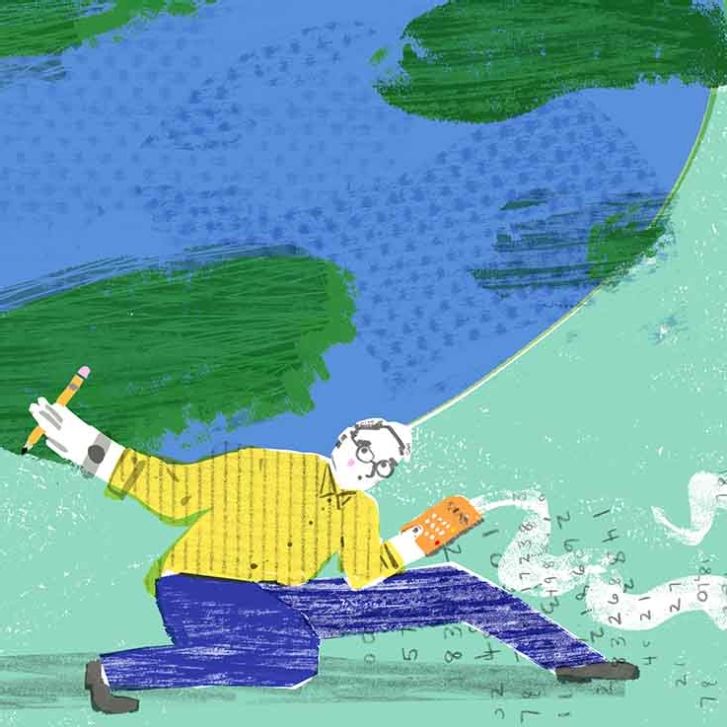
New proposals for monetizing corporate planetary impacts are alluring, impossible, and perilous.

Combining traditional impact investment approaches with investment in advocacy is the only way businesses and investors can fuel meaningful social and environmental progress.
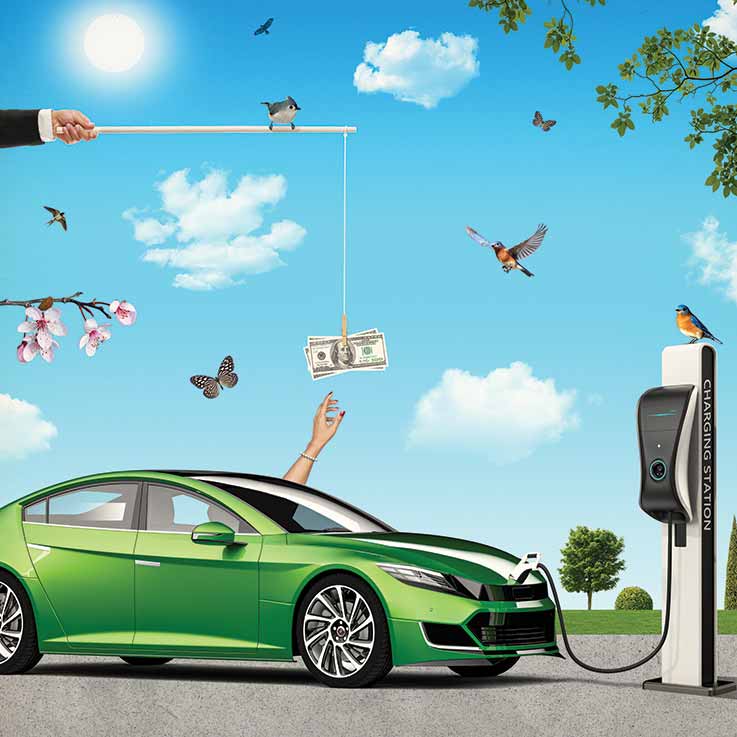
Economists have obsessed over the question of negative externalities, but market arrangements can also generate positive externalities. We should consider how to harness them for public good. | Open access to this article made possible by Harvard Business School Division of Research and Faculty Development
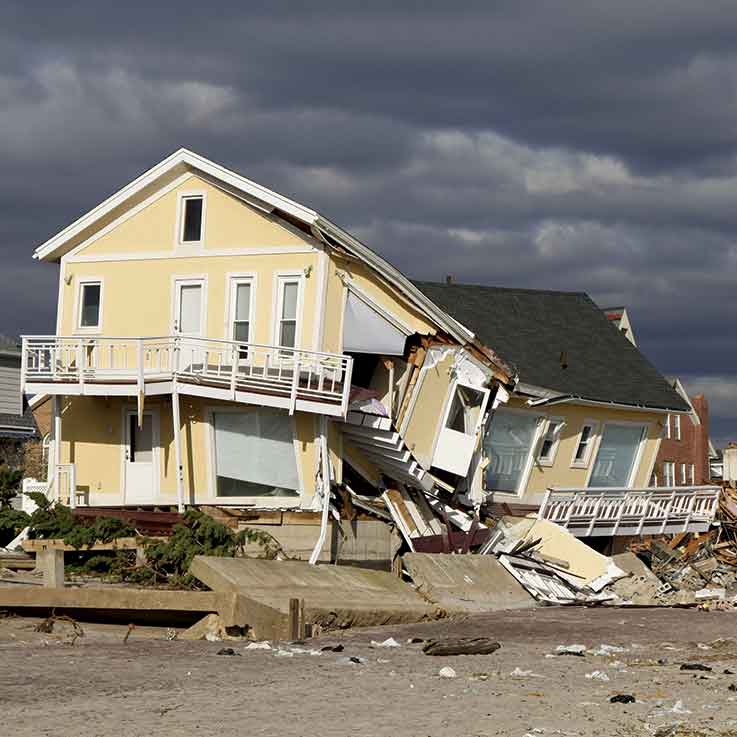
Climate Risk Labs (CRL), one of the emerging nonprofits tackling the climate crisis, aims to accelerate climate science research and build partnerships that utilize CRL’s data sets to shape future clean energy solutions.